
The lounge feels warm in the evening, but the bedroom windows are wet when you get up. If you cook dinner or hang washing indoors, another room might feel stuffy too. Those observations are useful clues about how your home behaves. They give you something specific to discuss before you choose equipment.
Start by thinking about three jobs: warming the rooms, removing moisture where it’s made, and exchanging indoor air. Some systems can help with more than one job. It helps to understand what each option is actually designed to do.
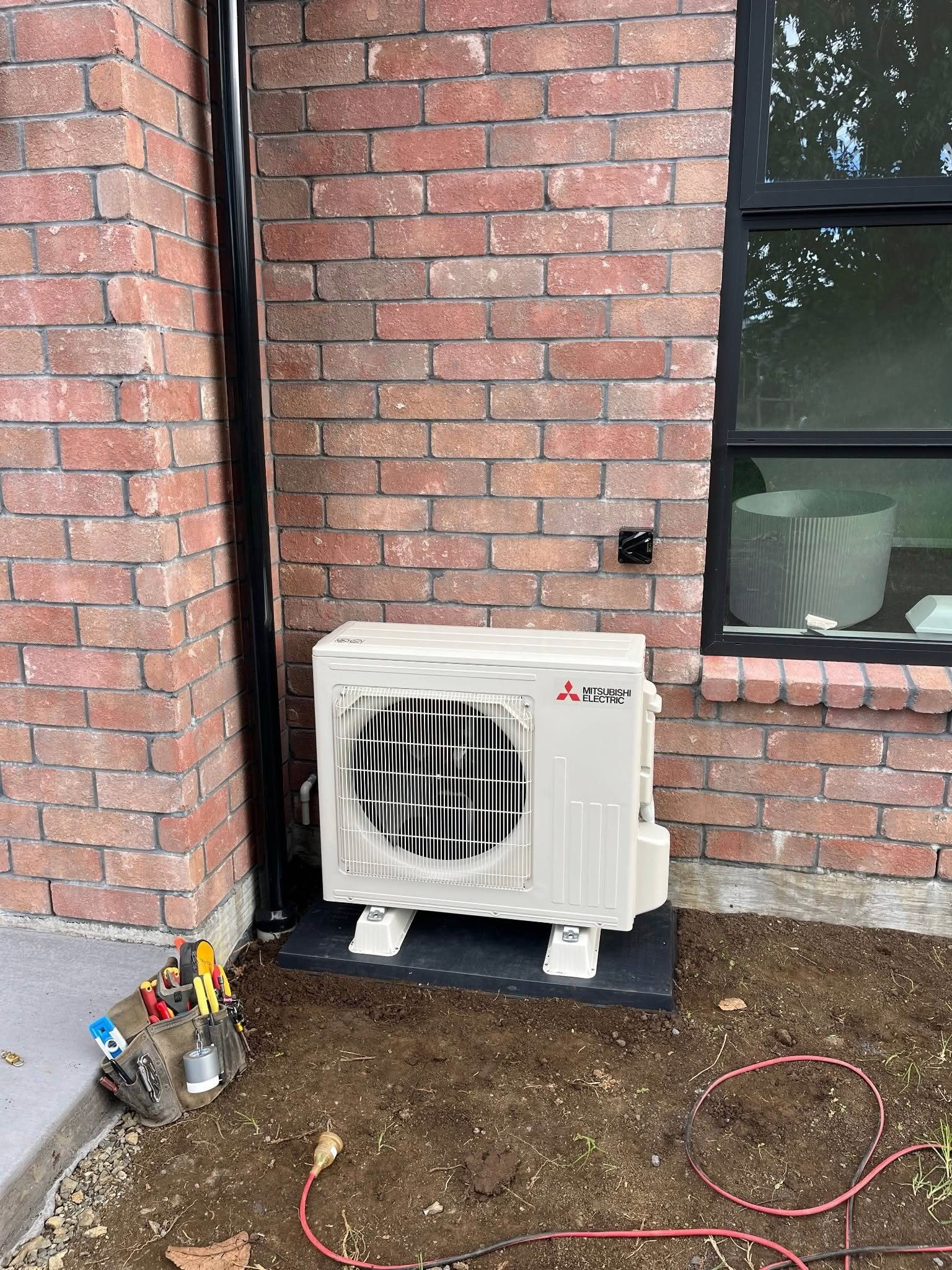
Notice when and where things happen
Make a short note over a few ordinary days. Which rooms feel cold, and when? Does condensation appear on particular windows in the morning or after cooking, showering or drying clothes? Does the room behave differently with the door closed? Record what you see, including any damp smells or marks you want a qualified person to look at.
A wet window alone cannot tell you whether the main issue is moisture being made indoors, the temperature of the surface, air movement or something in the building. If you suspect a leak or other building issue, raise that early so the right professional can assess it.
Give the three jobs their own place
Heating adds warmth. Local extraction captures moisture or cooking contaminants near the activity and, with an appropriate ducted system, carries them outside. Ventilation exchanges indoor air and brings in replacement outdoor air. These jobs affect the way a room feels, but one product description doesn’t tell you which jobs it can perform.
A heat pump can warm a living area while a bathroom still needs its own way to remove steam. An extractor can remove air at the source, but it needs a path for replacement air to enter. Ask how the proposal handles each of the three jobs, including what happens in rooms away from the main living area.
Look at the building as well as the equipment
Insulation, gaps around doors, glazing, layout and building condition can all affect how easily a home warms up and stays comfortable. Ask what could improve the room before you decide on the equipment alone. A room that loses heat quickly can present a different problem from one that is warm enough but lacks an effective way to deal with stale air or moisture.
Think about where moisture starts. Cooking, showers and indoor drying are everyday sources. Water entering through a leak or other building problem needs its own assessment. An electrical or ventilation upgrade can be part of a wider plan, and the team can help you identify which specialists need to be involved.
Tell the team what you’ve already tried and whether it helped. Perhaps opening a window clears steam after a shower, but the bedroom still feels cold. That difference can help you ask a more useful question about each room and decide what to assess first.
Choose heating around the rooms and people
A room heat pump can suit a space you spend a lot of time in. A ducted system may be an option if the aim is to serve multiple rooms and the home can accommodate the necessary routes. Explain which rooms need warmth, who uses them and at what times. Tell the team if bedroom noise, equipment visibility or different household schedules are important.
Ask how the installer assesses heat loss, local climate and the layout before recommending a system. If you often close doors to bedrooms or work spaces, mention that. It affects how the home is used and can change what you want the heating plan to achieve. EECA’s heat-pump guide gives useful background for this conversation.
Deal with moisture close to where it starts
Follow what happens after a shower, while you boil a pot of water or when laundry dries inside. A bathroom extractor or a ducted rangehood can remove air from the area, where the actual arrangement allows it to discharge outdoors. A recirculating rangehood returns air to the room. It may help with aspects of cooking air, but it does not take water vapour outdoors.
Ask where a proposed extractor discharges and where replacement air comes from. Ask how it will be controlled and what you need to clean or service. Discuss how you ventilate when doing laundry as well. If moisture regularly builds up elsewhere in the home, that pattern is worth showing the team rather than assuming one extractor will address it.
Ask what a ventilation system does in your home
Different systems move air in different ways. Ask where supply air comes from, where stale air exits and what happens when internal doors are closed. A balanced system is designed to supply and extract air. A heat-recovery system can transfer some heat between the outgoing and incoming air streams, depending on the design and operating conditions.
Ask what you’ll hear, where filters are accessed and who maintains the system. If someone describes a system as supplying fresh air, ask how that works in the proposed design. Look at what you need room by room, including ventilation for a kitchen or bathroom that has its own moisture source. MBIE’s active ventilation guidance explains these functions in more detail.
See some of the great companies we work with
At Mastercraft, we work with a nationwide network of suppliers. These examples help you compare three different jobs: heating a room, exchanging indoor and outdoor air, and extracting moisture where it starts. Your local team can help you work out which problem to tackle first.
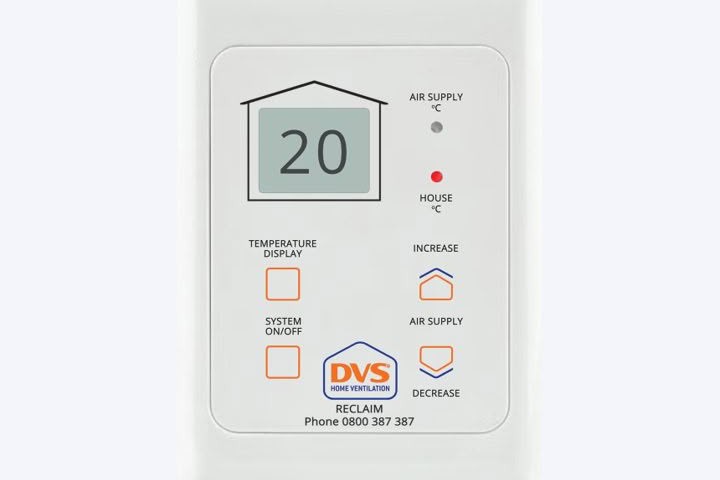
DVS · Reclaim ventilation controller
Image: DVS New Zealand
DVS: ask how fresh air gets into the home
A balanced heat-recovery system supplies outdoor air and extracts indoor air through a heat exchanger. If roof space is limited, DVS also lists a wall-mounted Reclaim Mini. Ask which rooms the proposed system would serve and how the filters would be accessed.
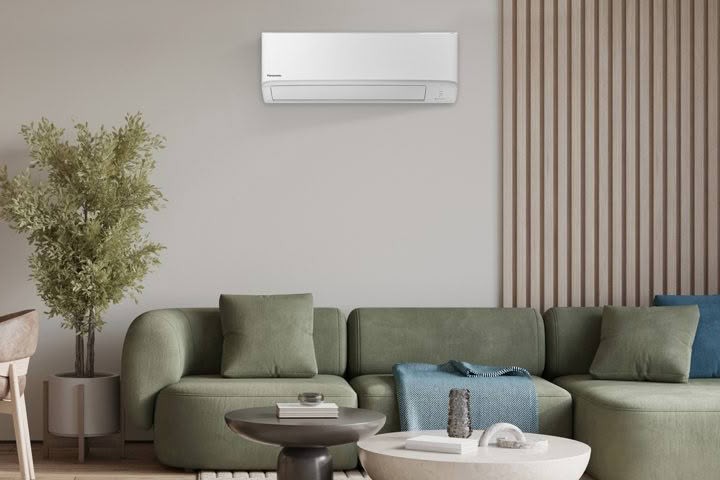
Panasonic · Aero Z wall-mounted heat pump
Image: Panasonic NZ
Panasonic: ask which modes you’ll use
Panasonic’s Aero Z range heats and cools. Panasonic also describes a nanoe X air-treatment mode that can run separately on applicable models. If you need outdoor air exchange as well, ask the installer how the overall plan would provide it.
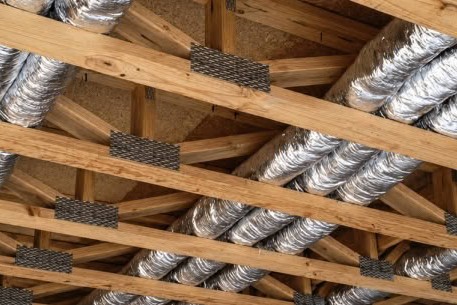
Simx · bathroom extraction (conditional example) Image: Simx
Simx: discuss the whole extractor route
Simx’s guidance uses bathroom extraction to show why the route to the outdoor outlet matters as well as the fan. Ask your installer how the proposed setup will handle moisture, especially if ducting runs through a cold space.
Plan access and bring an observation list
Before finishes are fixed, discuss where units, grilles and controls might go and what needs to remain accessible. Depending on the system, the team may have to coordinate routes, outdoor unit positions or drainage. Explain when you expect to use the system and what would make its controls easy to live with.
Bring a list of the rooms that feel cold, when condensation appears, what activities make it worse and any rooms or building issues you want looked at. Add a plan or photos taken from normal living areas if you have them. Tell your local Mastercraft Electrical team which parts of the home need help and ask what assessment or referral makes sense for your home.