
You’re renovating and thinking about a future electric vehicle. The driveway is on the list, there’s a chance to talk about access while work is underway, and you’re curious about solar. It’s a good time to discuss the possibilities. You can start that conversation before deciding which equipment to buy.
Begin with the outcomes you want. Perhaps you want enough overnight charge for a normal day, to use more of the electricity you generate at home, or to keep a few essentials running during an outage. Each goal raises different questions.
Start with where you park and when you use energy
Note where the car normally sits, when it gets home and when it needs to leave again. Write down typical daily travel alongside any longer trips you make regularly. If you have two drivers or might add a second EV, explain how the parking and schedules overlap.
Do the same for the house. Are you home during the day, or do most of the cooking, heating and laundry happen in the evening? Bring a recent electricity bill or usage information if you have it. A day-by-day pattern can be more useful than a single total when you’re discussing when solar might generate electricity and when you would use it.
Choose charging around the time the car is home
The useful question for everyday charging is whether the car can regain the energy you typically use in the time you can leave it parked. An installer can consider available supply, the charging equipment, the vehicle’s own acceptance rate and what else might be running in the house. The advertised maximum on a charger is one piece of that picture.
Show the electrician where you park and how you get past the car on the way to a door or storage area. Ask how a proposed location would work in daily use and what should be checked before you order equipment. If you’re comparing vehicles or expect your routine to change, flag that. WorkSafe’s home EV charging guidance is a good starting point for safety questions. Your electrician can assess the installation for your situation.
Think of solar as daytime generation
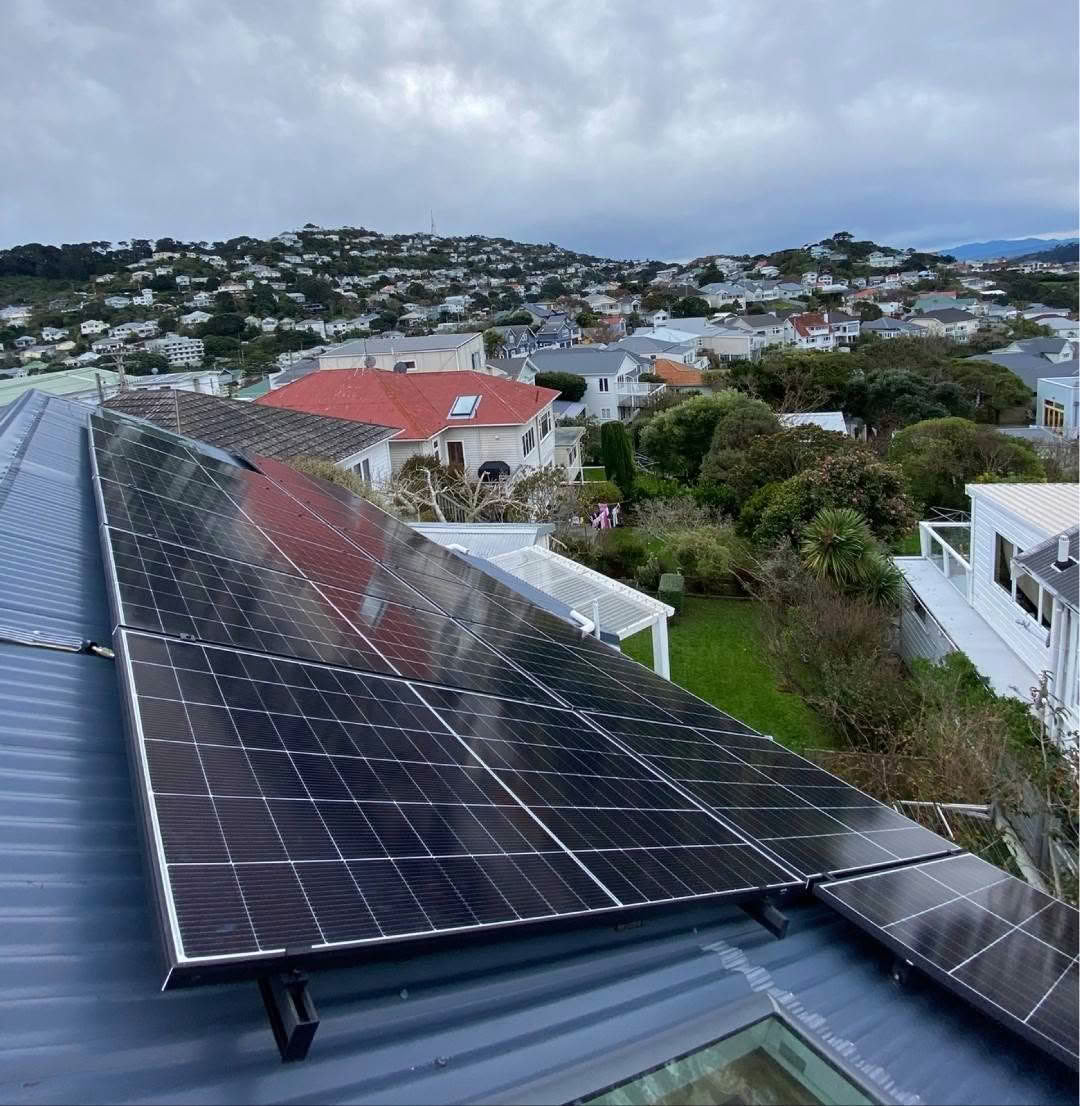
Solar panels generate electricity when sunlight and site conditions allow. The amount you can use directly depends on what is running at home at those times. If you already use electricity during the day, or can move some activities into that period, that pattern is useful to discuss. If your main use is in the evening, ask how the proposed system fits that routine.
An assessment can take account of shade, roof orientation, usable space, the condition of the roof and likely patterns of generation. Tell the team if roofing work or a future extension might affect the plan. Ask the installer what network application or approval arrangements apply, and how assumptions about exported electricity and your tariff affect any estimate. EECA’s solar planning guide explains what to consider.
Ask what the estimate assumes about how much electricity you will use at home while the panels are generating. If you expect to change your work schedule, add a heat pump or switch to an EV, share that. The assumptions are useful for comparing options, especially when the household’s pattern could look different a year from now.
Decide what you want a battery to do
A battery stores energy so you can use some of it later. That could help shift some electricity use into the evening, for example. Storage also adds cost, equipment and space requirements. Ask what the battery would help you achieve in your actual routine and what a solar-only option would look like for the same home.
If keeping equipment going during an outage matters, name the essentials. A fridge, lights and communications may matter more to you than running the whole house. Ask whether the proposed equipment supports backup, what it would supply and how long it could reasonably do so under the assumptions used. Standard grid-connected solar may switch off during an outage. Backup depends on the design, installation and configuration, even where panels or a battery are present.
Ask which controls would earn their keep
A timer can move an activity to a chosen time. Demand management can help coordinate equipment so the home doesn’t face the same demand from all of it at once. Solar-surplus control can direct some available generation to a compatible use. These functions can be useful for different reasons, and the equipment you choose needs to support the one you want.
Give your installer an example rather than a shopping list. You might want a car to be ready for an early start, or want to explore using more daytime generation while you’re home. Ask what happens when the usual conditions change and how you can adjust ordinary settings if your schedule varies. Check compatibility with the actual equipment and tariff.
Use the renovation to talk about access
Show where vehicles are likely to park and what work is planned for walls, the garage or landscaping. Ask what is worth discussing while these areas are accessible and which details should wait until equipment is selected. Give the electrician and other trades a chance to coordinate before finished surfaces or landscaping make access harder.
You can make one decision at a time. The first useful step may be an assessment, a decision about where equipment could fit, a charging option for the vehicle you already have, or a solar feasibility discussion. Ask which preparations have a clear benefit and what would still need rechecking before equipment is installed. Leave roof access, electrical inspection, measurements and installation planning to the relevant professionals.
If you plan to tackle the work in stages, ask the team to put those stages in writing. For example, you might want to assess supply and discuss access during the renovation, then revisit the charging equipment once you know the vehicle. Agree which information to keep for that later decision.
See some of the great companies we work with
At Mastercraft, we work with a nationwide network of suppliers. These examples give you something concrete to discuss with your electrician. Start with what you want to do now: charge a vehicle, generate power from solar, or store some of that power. Then discuss what you’d like to add later.
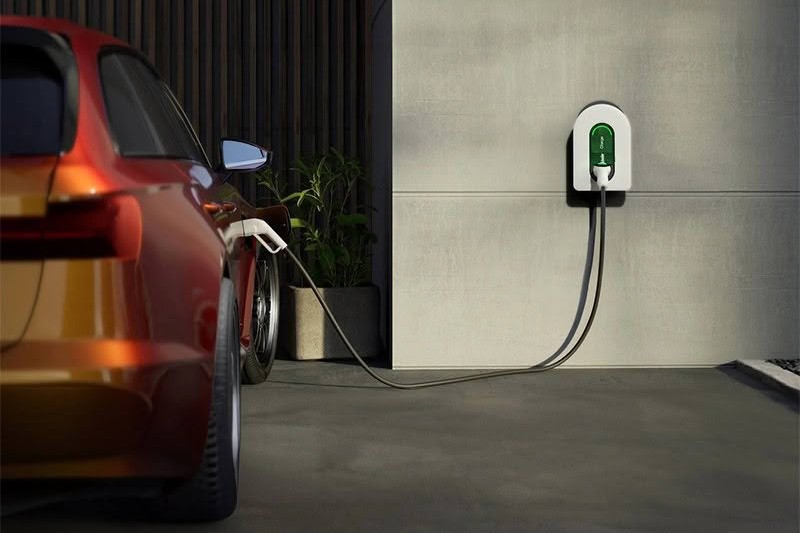
Ideal Electrical · Schneider Charge home EV charging
Image: PDL by Schneider Electric
Ideal Electrical: plan charging and when to use power
Ideal lists Schneider Charge, which offers scheduled charging and optional load management. Its Catch Solar Relay is a separate example of coordinating suitable electrical loads with solar generation. Ask your electrician which functions fit your home, equipment and routine.
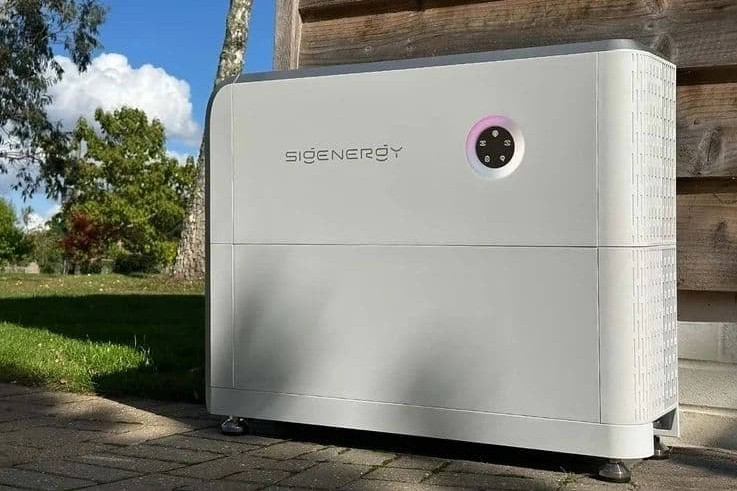
J. A. Russell · Sigenergy home energy equipment
Image: Tronic Electrical
J. A. Russell: discuss solar, storage and charging in stages
J. A. Russell’s solar range includes Sigenergy inverters, batteries and EV charging equipment. Ask the installer which parts you would need for your first stage, which could be added later, and what compatibility checks will be needed if your plans change.
Industry resource If you’re considering solar, SEANZ’s residential solar guide explains what to discuss with an installer and links to its Solar Optimiser. Any estimate will depend on how your household uses electricity.
Bring a one-page home energy brief
Write down where you park, when the car is home, your usual travel, when the household uses electricity, what equipment is changing and when the building work will happen. If backup matters, list the essentials. Bring a power bill or usage record if available, and note any roof or parking changes already in the plans.
You might ask “What charging option suits our routine?”, “What would solar do for the way we use electricity?” and “What would keep our essentials going during an outage?”. Bring your routine and renovation plans to your local Mastercraft Electrical team and ask what assessment or next step suits your home.