
One shower starts just as someone runs the kitchen tap, and the next person is waiting for the bathroom. If you’re replacing the hot-water system, that busy part of the day tells you more than a head count alone. Start with when you use hot water and what you would like to improve.
Take that picture to your plumber before choosing a system. The right fit depends on your household’s demand, the existing services and the space you have for the equipment.
Write down when everyone needs hot water
Think about the busiest morning or evening of the week. Do people shower one after another? Is a bath a regular part of the routine? Does the kitchen tap need to work comfortably while someone showers? Add changes you can reasonably see coming, such as another bathroom or more people living at home.
Tell the plumber what’s working now and what isn’t. Running out of hot water and having an unsatisfying shower can point to different questions. Note when it happens and whether it affects one fixture or several. That information helps the plumber decide what to assess.
Compare how each system supplies hot water
An electric storage cylinder heats a tank of water for later. Ask how much hot water the proposed cylinder can provide at your busiest time, and how quickly it can heat more after heavy use. If you’re replacing an existing cylinder, ask whether the same space and services are suitable for the new one.
A heat-pump water heater also stores hot water. It uses a heat pump to move heat from the surrounding air into the water. Ask how the model performs at your site, including how it meets a busy morning’s demand and what the installation needs for airflow, noise and access. A water-heating heat pump serves the hot-water system. Room heating is a separate decision.
A continuous-flow gas system heats water as it is used. Its suitability depends on the property, available fuel, installation requirements and the flow the household needs at one time. Solar water heating is another option to assess if the site suits it. Ask how it would work on days when there is less sun and what other heating it would rely on. EECA’s home water heating comparison explains the main options.
Ask about pressure and usable flow
Pressure and flow are related, but they describe different things. Pressure is the force available to move water, while flow is how much reaches the outlet over time. A new tap or shower fitting also has its own operating requirements. Ask the plumber to check the existing hot and cold supply, the fixtures you want to retain and any new fittings before you order them.
Describe what happens in practice. For example, tell the plumber if the shower feels fine until another tap is turned on. That is a useful observation. Your plumber can assess whether the issue relates to the system, the fixture or something else in the installation.
Check where the equipment would go
Show the team where the current equipment is and any places you’d consider for a replacement. Discuss access for delivery and later servicing, noise near sleeping areas, and the space the selected model needs. If the location changes, ask what that means for other work, including any electrical or gas work the proposal involves.
If you have a renovation underway, share the latest room plans. It’s easier to decide what needs space before the new cupboards and finishes are fixed.
Compare the installed cost and the cost of using it
Ask what is included in the proposal and what else the job may involve. Equipment, removal of the old unit and changes to other services can affect the installed cost. Running costs depend on the model, how much hot water you use and what you pay for energy. Ask which assumptions any estimate uses and how it would change if your household routine was different.
Include the practical questions too. Who would service it? What warranty applies to the model and installation? Which documents will you receive? Bring a short list of your busiest hot-water times, the fixtures you want to keep and any space concerns to your local Mastercraft Plumbing team.
- Demand When do showers, baths and kitchen use overlap?
- Pressure and flow Which fixtures will stay, and what happens when two outlets run?
- Site Where would the equipment go, and how would it be serviced?
- Cost What’s included in the quote, and how were running costs estimated?
See some of the great companies we work with
At Mastercraft, we work with a nationwide network of suppliers. Use these Mico and Reece examples to discuss household demand, installation space and running costs with your plumber.
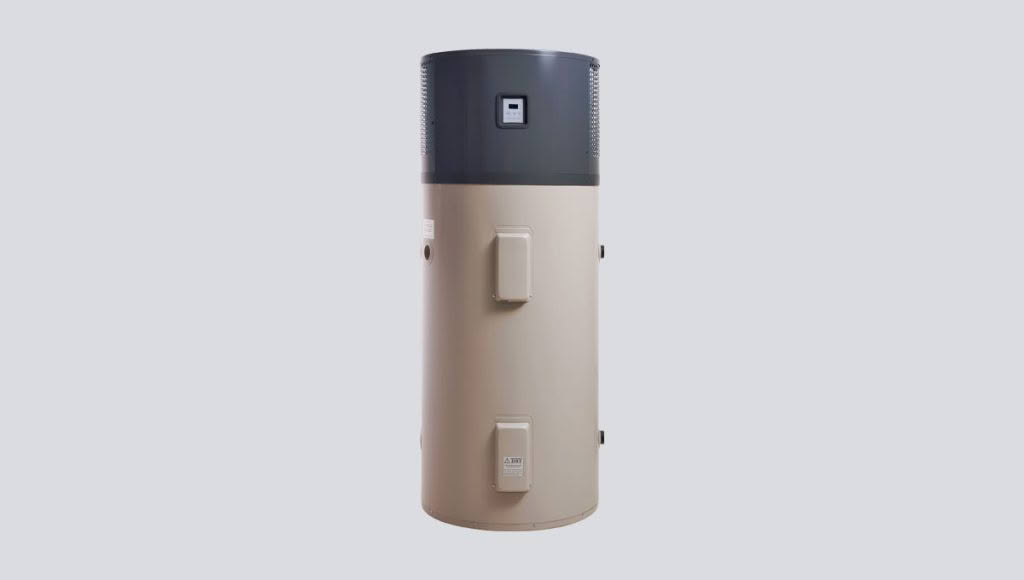
Image: Rinnai NZ
Start with household demand
Mico lists Rinnai’s HydraHeat integrated heat-pump water heater. Tell your plumber when the household uses the most hot water. Ask how quickly the unit would recover after heavy use, where it could go and how it would be reached for servicing.
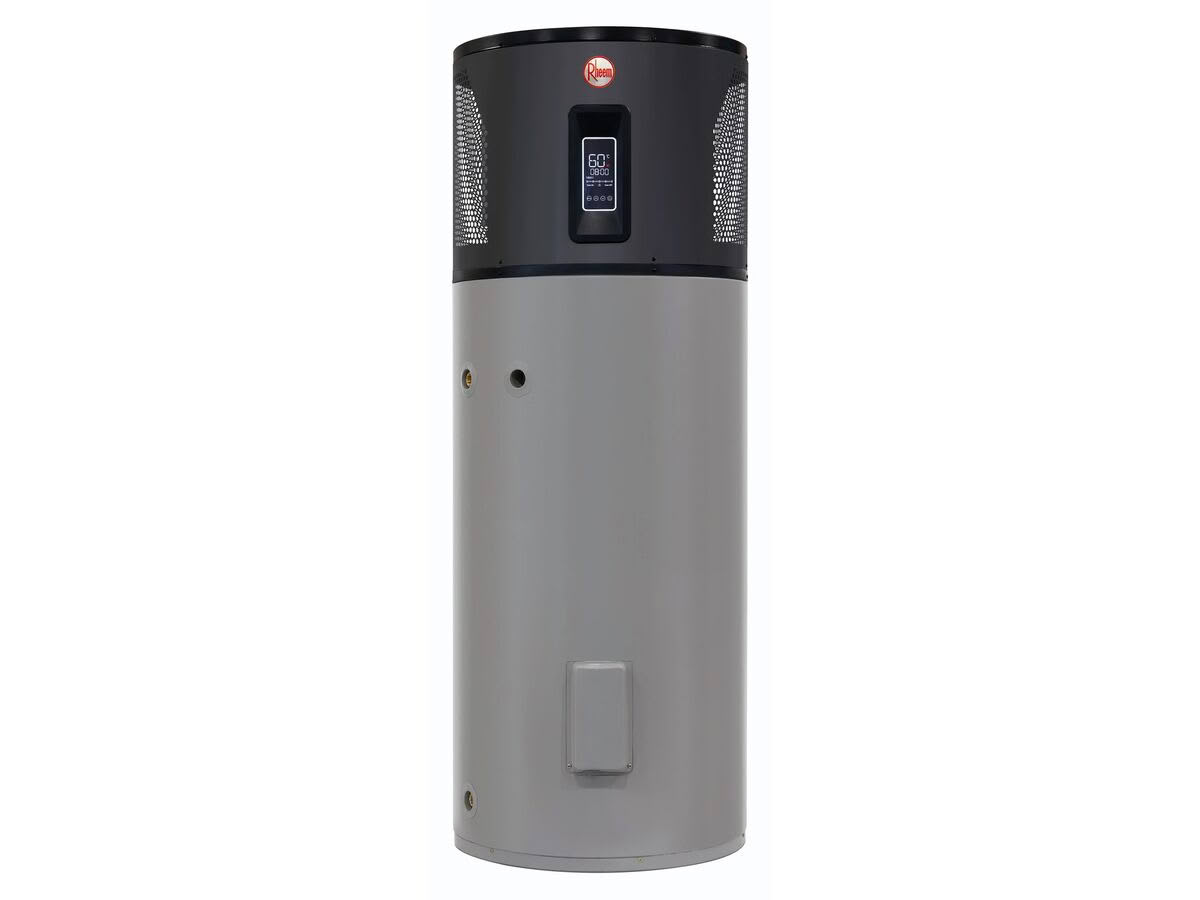
Image: Reece NZ
Compare how the system fits your site
Reece lists the Rheem AmbiPower 280E as one of its heat-pump water heaters. Ask your plumber to compare recovery, space, noise and service access across the options. For a running-cost estimate, ask what hot-water use and electricity rates it assumes.