
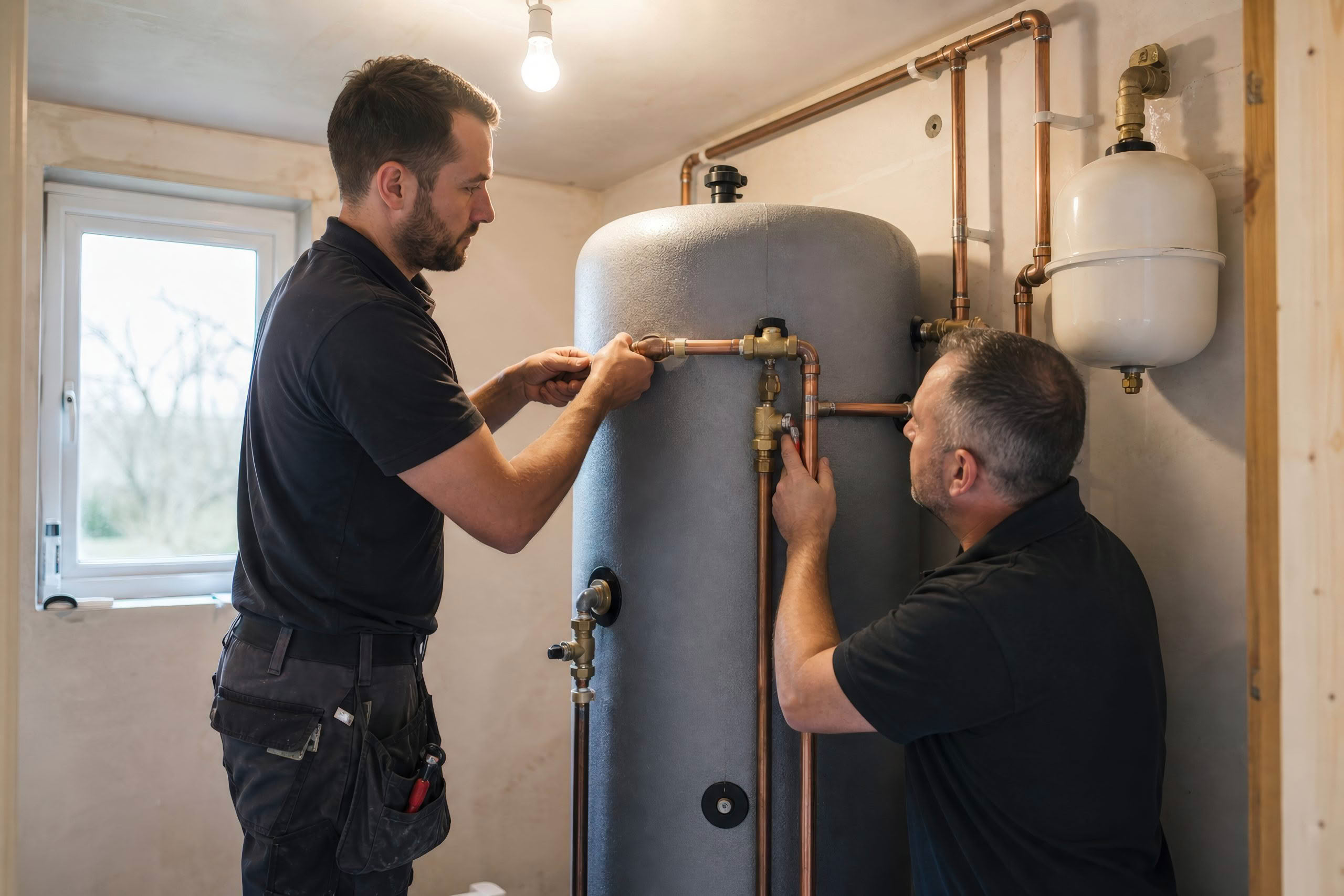
Choose the right hot-water system for your household
One shower starts just as someone runs the kitchen tap, and the next person is waiting for the bathroom. If you’re replacing the hot-water system, that busy part of the day tells you more than a head count alone. Start with when you use hot water and what you would like to improve.
Take that picture to your plumber before choosing a system. The right fit depends on your household’s demand, the existing services and the space you have for the equipment.
Write down when everyone needs hot water
Think about the busiest morning or evening of the week. Do people shower one after another? Is a bath a regular part of the routine? Does the kitchen tap need to work comfortably while someone showers? Add changes you can reasonably see coming, such as another bathroom or more people living at home.
Tell the plumber what’s working now and what isn’t. Running out of hot water and having an unsatisfying shower can point to different questions. Note when it happens and whether it affects one fixture or several. That information helps the plumber decide what to assess.
Compare how each system supplies hot water
An electric storage cylinder heats a tank of water for later. Ask how much hot water the proposed cylinder can provide at your busiest time, and how quickly it can heat more after heavy use. If you’re replacing an existing cylinder, ask whether the same space and services are suitable for the new one.
A heat-pump water heater also stores hot water. It uses a heat pump to move heat from the surrounding air into the water. Ask how the model performs at your site, including how it meets a busy morning’s demand and what the installation needs for airflow, noise and access. A water-heating heat pump serves the hot-water system. Room heating is a separate decision.
A continuous-flow gas system heats water as it is used. Its suitability depends on the property, available fuel, installation requirements and the flow the household needs at one time. Solar water heating is another option to assess if the site suits it. Ask how it would work on days when there is less sun and what other heating it would rely on. EECA’s home water heating comparison explains the main options.
Ask about pressure and usable flow
Pressure and flow are related, but they describe different things. Pressure is the force available to move water, while flow is how much reaches the outlet over time. A new tap or shower fitting also has its own operating requirements. Ask the plumber to check the existing hot and cold supply, the fixtures you want to retain and any new fittings before you order them.
Describe what happens in practice. For example, tell the plumber if the shower feels fine until another tap is turned on. That is a useful observation. Your plumber can assess whether the issue relates to the system, the fixture or something else in the installation.
Check where the equipment would go
Show the team where the current equipment is and any places you’d consider for a replacement. Discuss access for delivery and later servicing, noise near sleeping areas, and the space the selected model needs. If the location changes, ask what that means for other work, including any electrical or gas work the proposal involves.
If you have a renovation underway, share the latest room plans. It’s easier to decide what needs space before the new cupboards and finishes are fixed.
Compare the installed cost and the cost of using it
Ask what is included in the proposal and what else the job may involve. Equipment, removal of the old unit and changes to other services can affect the installed cost. Running costs depend on the model, how much hot water you use and what you pay for energy. Ask which assumptions any estimate uses and how it would change if your household routine was different.
Include the practical questions too. Who would service it? What warranty applies to the model and installation? Which documents will you receive? Bring a short list of your busiest hot-water times, the fixtures you want to keep and any space concerns to your local Mastercraft Plumbing team.
- Demand When do showers, baths and kitchen use overlap?
- Pressure and flow Which fixtures will stay, and what happens when two outlets run?
- Site Where would the equipment go, and how would it be serviced?
- Cost What’s included in the quote, and how were running costs estimated?
See some of the great companies we work with
At Mastercraft, we work with a nationwide network of suppliers. Use these Mico and Reece examples to discuss household demand, installation space and running costs with your plumber.
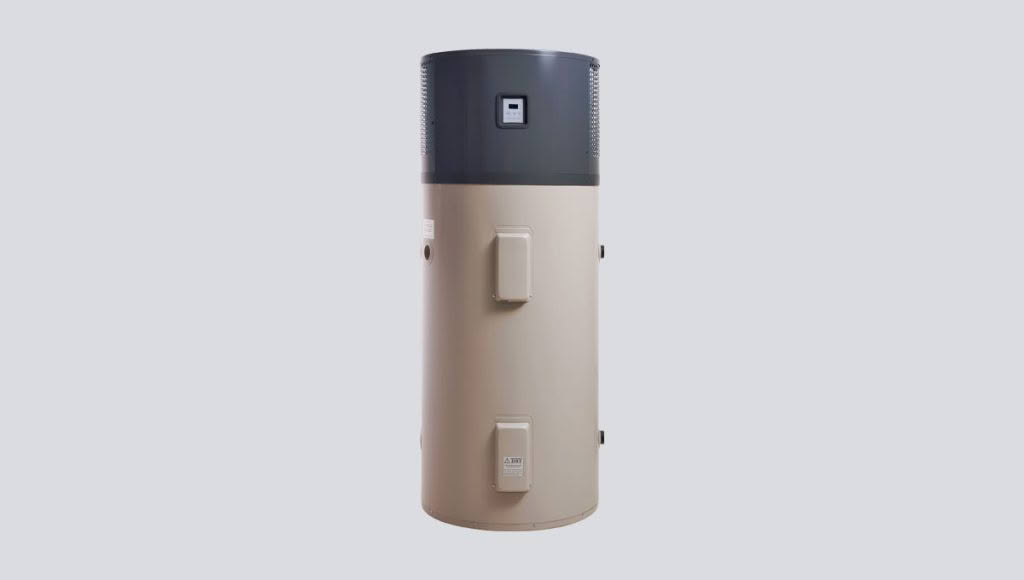
Image: Rinnai NZ
Start with household demand
Mico lists Rinnai’s HydraHeat integrated heat-pump water heater. Tell your plumber when the household uses the most hot water. Ask how quickly the unit would recover after heavy use, where it could go and how it would be reached for servicing.
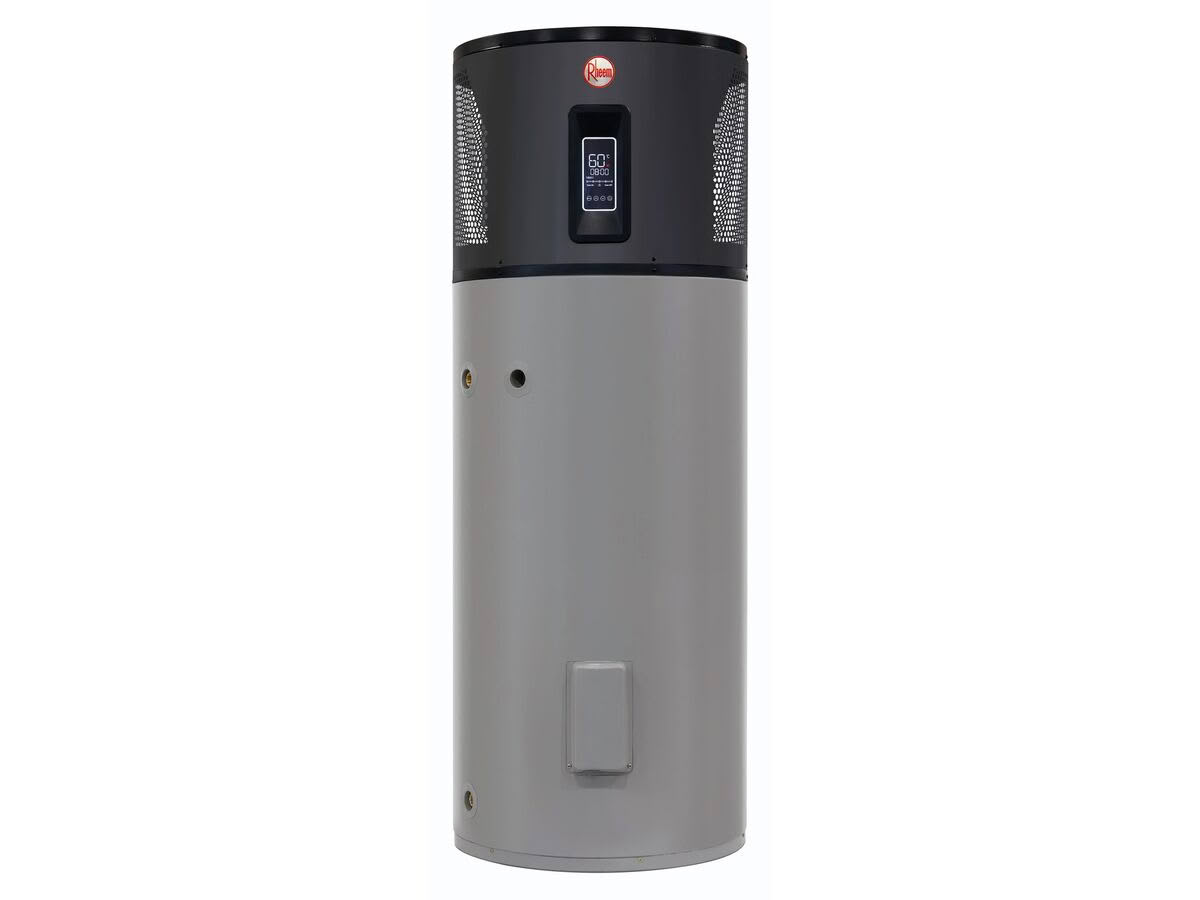
Image: Reece NZ
Compare how the system fits your site
Reece lists the Rheem AmbiPower 280E as one of its heat-pump water heaters. Ask your plumber to compare recovery, space, noise and service access across the options. For a running-cost estimate, ask what hot-water use and electricity rates it assumes.
See the AmbiPower 280E at Reece

Spot plumbing problems early and use less water
The house is quiet, but you can still hear the toilet refilling. Or you find the same damp patch in the cupboard under the sink twice in a week. Small changes like these are worth noticing. A few notes can help a plumber find out what is happening before you replace a fitting or cover up a mark.
Start with what you can see, hear or read from a safe place. You can take useful observations without taking anything apart.
Look for patterns
Common clues include a tap that drips when turned off, a toilet that keeps topping up, dampness around a fixture or a change in how quickly water drains away. A cupboard that smells damp or flooring that starts to swell is also worth mentioning. Take a photo if you can do so safely and note where and when the change happens.
Try to describe the timing. Does dampness appear only after the sink is used? Has the change affected one tap or several? Have visitors, garden watering or other changes increased normal water use? These details help narrow the questions. A mark or slow drain on its own does not identify the cause.
Use a bill or meter reading as a clue
If your property is metered, look at your recent readings or bills and compare them with a similar period. An unexplained increase may be worth investigating, but seasonal use and changes in the household can also affect it.
Where your own meter is safely accessible, follow the local water supplier’s instructions for checking it during a period when the property should be using no water. Automatic systems can run in the background, so keep those in mind. A change in the reading is a clue to discuss with your provider or plumber. For a shared or inaccessible meter, ask the provider for advice. Watercare provides an example of a household leak check.
Know when to ask for help
Arrange a plumber promptly for a recurring damp patch, a toilet that keeps running, a leak beneath a fitting or a drain that regularly backs up. A sudden escape of water, water near electrical equipment or suspected sewage overflow needs urgent attention. Keep clear of any affected electrical area and contact the appropriate professional urgently.
Share what you’ve observed, when it started and whether any other fittings are affected. If you rent, report the issue to your landlord or property manager promptly. For regulated work, check the person’s authorisation through the Plumbers, Gasfitters and Drainlayers Board.
Save water by matching the fitting to the job
Start with unexplained water use or a fitting that keeps running. When choosing replacement tapware, shower fittings or toilets, check the New Zealand water-efficiency label where it applies. Compare products that do the same job and look at both the star rating and the stated water use. The Commerce Commission explains the label and which products it covers.
Tell the plumber what you want the fitting to do. A shower should still feel usable for the people in the house. Ask whether the exact model suits the existing pressure and hot-water system. Real use also depends on habits, including how long you shower and how often you run the tap.
Make a simple note before you call
Write down the location, the first time you noticed the issue, when it happens and anything else that changed. Include photos and any relevant readings or bills if you have them. If you’re choosing a replacement fitting, add your priorities for comfort and water use.
Bring those notes to your local Mastercraft Plumbing team. They can help assess the cause and discuss a replacement or efficiency improvement if it suits your home.
- Where Name the room and fitting. Note any other fittings affected.
- When Record when it started and when it happens.
- What changed Note changes in sound, dampness, flow or water use.
See some of the great companies we work with
At Mastercraft, we work with a nationwide network of suppliers. These Mico and Reece shower fittings give you two examples to compare if you’re considering a replacement. If you’ve noticed unexplained water use or a recurring leak, ask your plumber to assess the cause first.
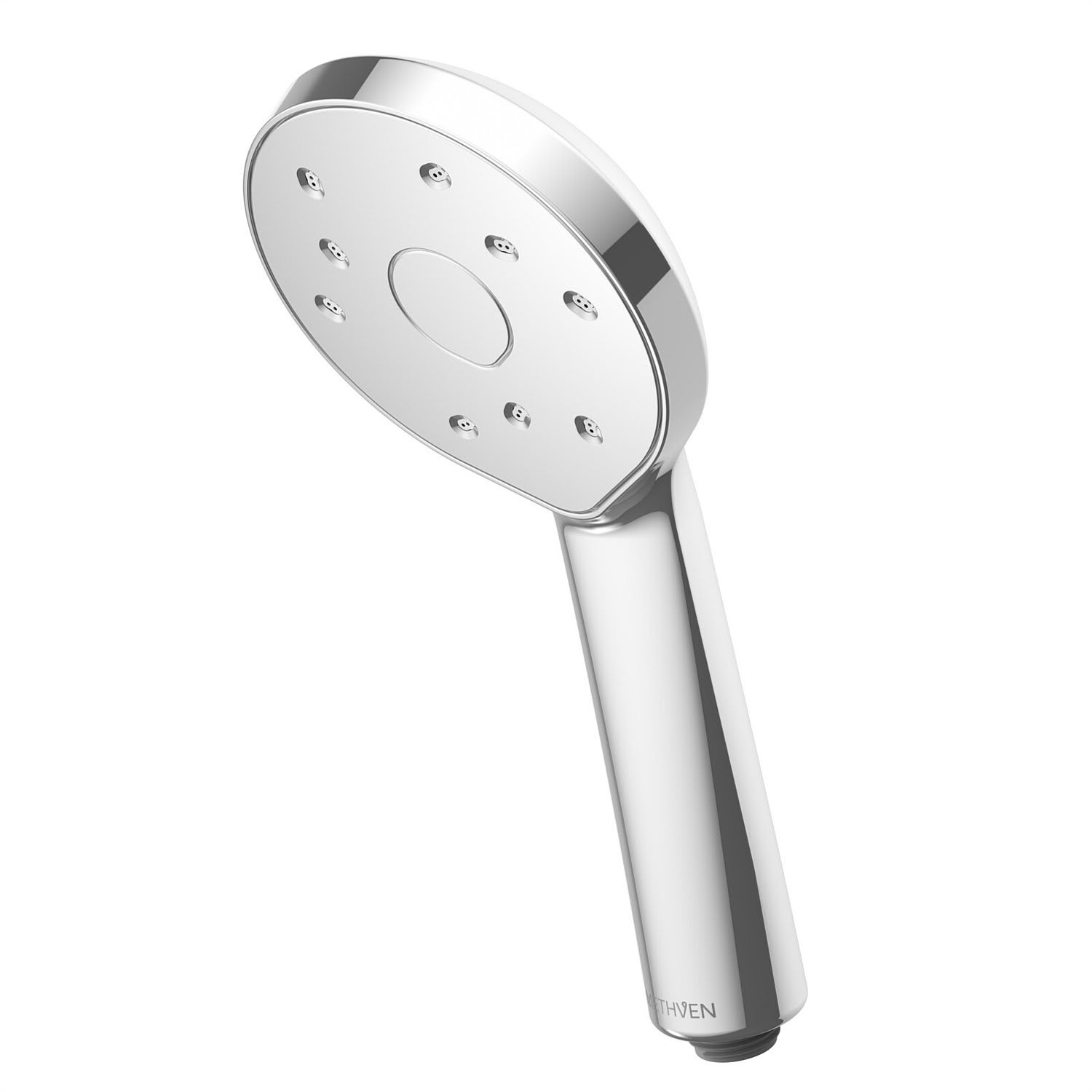
Image: Plumbing World NZ
Check the exact fitting and label
Mico lists Methven’s Kiri low-flow Satinjet handset (KRLFHSCP). Ask your plumber whether it suits your home’s water pressure and existing shower setup. Check the water-efficiency label for the exact model and think about what would feel comfortable in daily use.
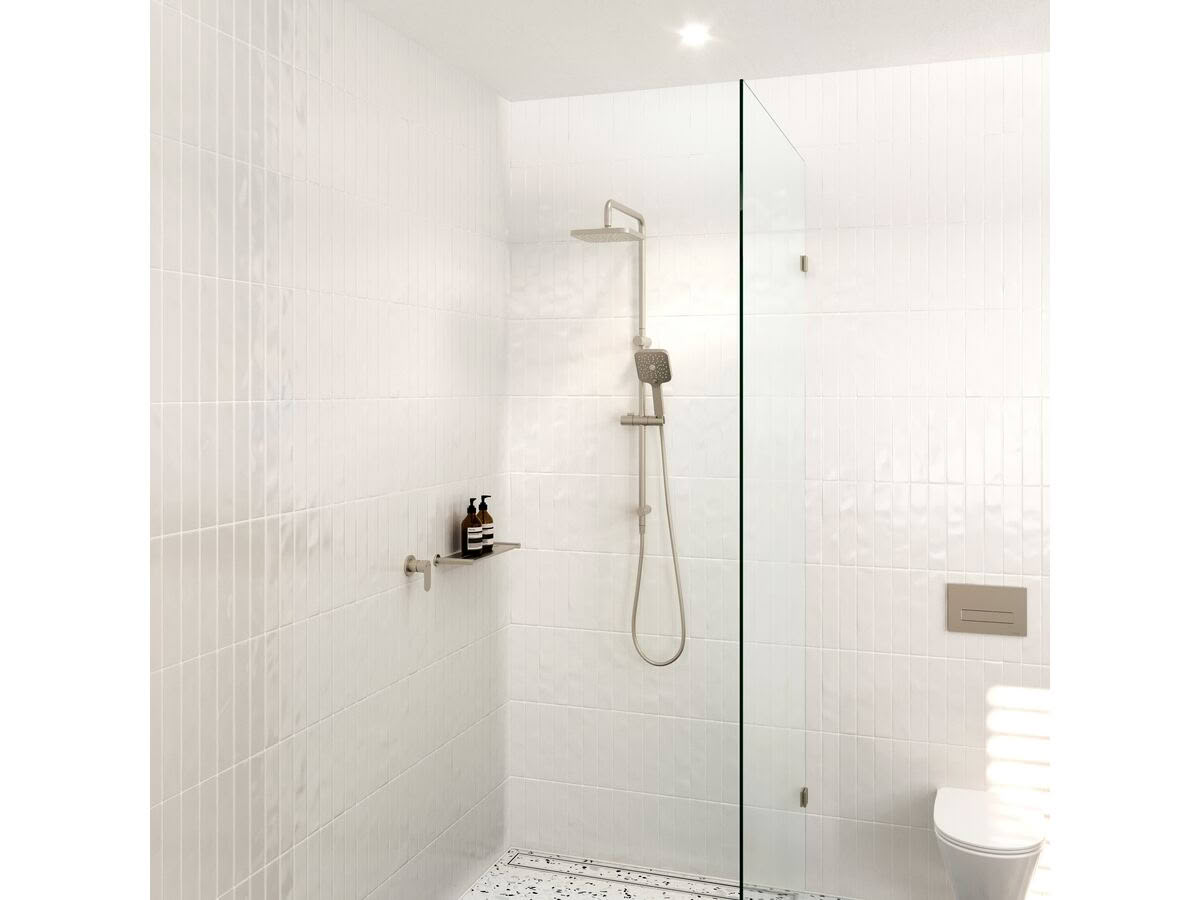
Image: Reece NZ
Compare the two shower options
Reece lists the brushed-nickel Mizu Soothe twin-rail shower (4201036) with a five-star water-efficiency rating. Reece gives a rated flow of 6 L/min for each outlet individually. Use the label to compare equivalent fittings and ask your plumber whether the model suits your home’s water pressure.
See the Mizu Soothe specifications at Reece
Plan the plumbing for a bathroom or laundry renovation
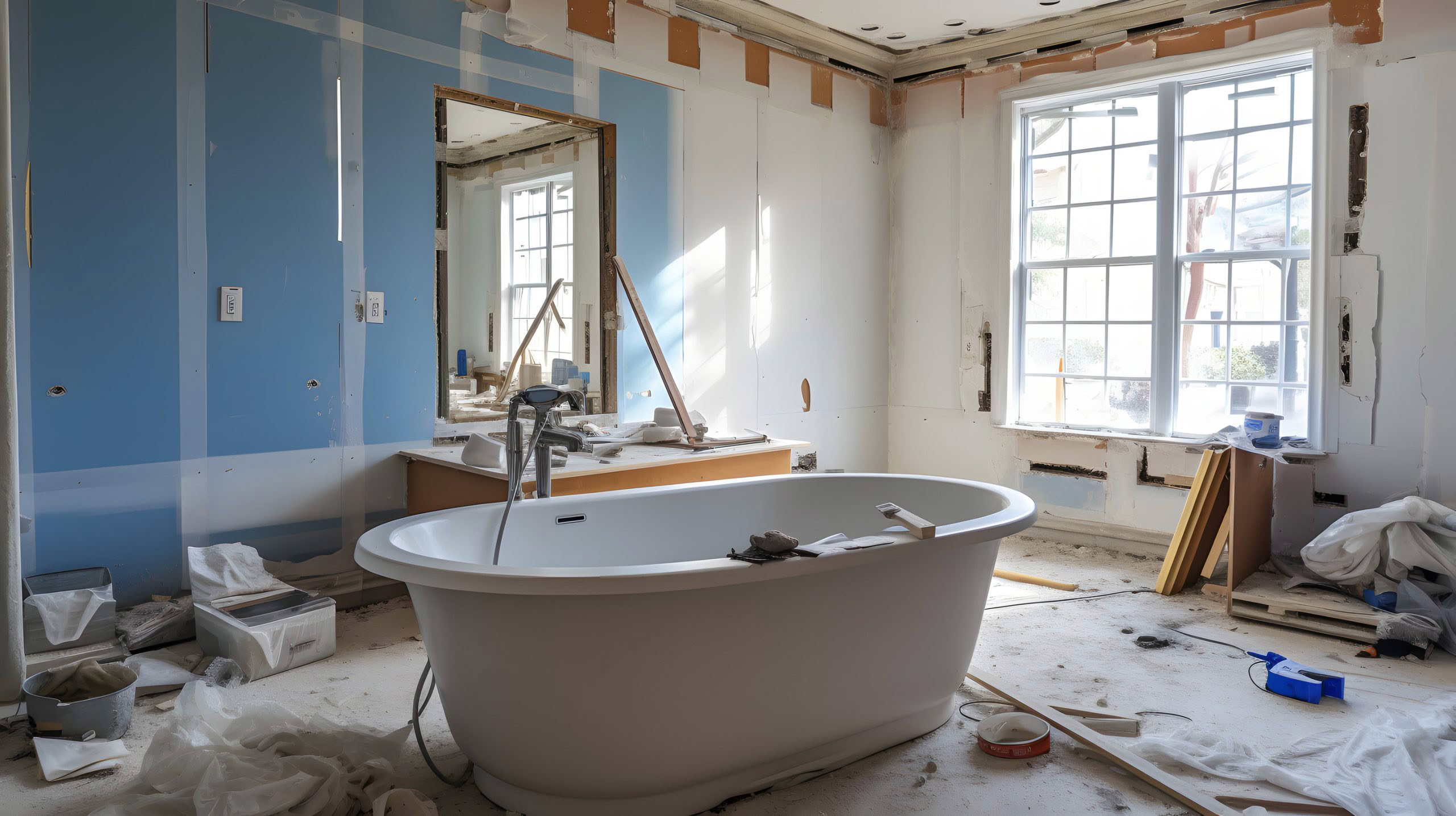
Moving the vanity a little can make room for drawers. Shifting the washing machine might give you a better folding bench. Both can look simple on a plan, but the plumber needs to check what changes behind the wall, below the floor and inside the cabinets.
Discuss fixture locations early so you can compare what you gain from the layout with the cost and work it may involve.
Start with how you want the room to work
Walk through the room as you use it now. Where do you put the washing basket? Can you open the washer and the cupboard beside it? Is it easy to get past someone at the vanity? Note the change that would make the biggest difference, and tell the team what you’re happy to keep.
Bring a rough sketch or existing plan, photos, and a list of fixtures and appliances you’re keeping, replacing or moving. Note which doors open where. If you’ve shortlisted products, share the exact models and drawings so the team can check what fits.
Ask what moves with each fixture
The new location may affect hot and cold supplies, the waste connection and how the plumber reaches it. A different shower, vanity or trough can also change what space is needed inside cabinetry or underneath the floor. Ask which parts of the existing services can be retained and which may need to be altered.
Show the plumber both the preferred location and one layout that leaves more services where they are, if that option works for you. The difference can help you understand what you’re paying for. Existing pipe routes, access and the building structure can all affect what is practical.
Plan the whole cabinet and the appliance beside it
A laundry trough, waste and shut-off points can share the same space you want for detergents or a pull-out basket. An appliance door can also compete with a cabinet or walkway. Ask the plumber and cabinetmaker to compare the actual fixture and appliance drawings before the cabinets are ordered.
Check how the team expects you to reach filters or connections that will need maintenance. If a washer or dryer is stacked or built in, include the practical question of how it can be removed. Talk through where wet clothes will go and how the room will be ventilated.
Work through waterproofing, drainage and consent together
Ask who will coordinate the shower, floor and wall finishes with plumbing, drainage and any waterproofing details. Moving an outlet or choosing a different shower system can affect more than the work of one trade. For a laundry, ask which areas need moisture protection and how the proposed finishes fit the actual use of the room.
Whether building consent is needed depends on the scope. Some alterations to existing sanitary plumbing may be exempt when the conditions are met and the work is done by an authorised person. Other parts of the renovation can affect the decision. Ask your team to check the whole proposal and seek council guidance where needed. MBIE’s guidance on alterations to existing sanitary plumbing is a useful reference.
Confirm the order before work starts
Ask when each trade needs access, and which selections must be settled first. The plumber may need an early visit while the walls or floor are open, then a later visit to connect the chosen fittings. Confirm who coordinates any inspections or checks before surfaces close and what records you should keep. Ask what would happen if old plumbing or damage is discovered once work begins.
Compare what is included before approving the scope. Plumbing changes, cabinetry, waterproofing, floor or wall repairs and other trade work can affect the cost. If a product changes, have the team check the plan again before ordering.
Bring the fixture and location checklist
Take your room photos, intended fixture positions, shortlisted model numbers and a list of anything you want to keep. Note door clearances, service access and who is coordinating the work. If several decisions are still open, start with the feature that would most improve the way the room works for you.
Talk to your local Mastercraft Plumbing team while the layout can still change. They can help you discuss what needs assessment and who else should be involved before the work is booked.
- Keep Identify the fittings and appliances staying where they are.
- Move Mark proposed positions on a plan and ask what would need to change behind the wall or floor.
- Replace Bring model numbers and drawings so your team can check clearances and connections.
See some of the great companies we work with
At Mastercraft, we work with a nationwide network of suppliers. These laundry examples from Mico and Reece show why it helps to plan the tub, washer and cabinetry together. Your plumber and joiner can check how the connections, doors and storage will work in the space you have.
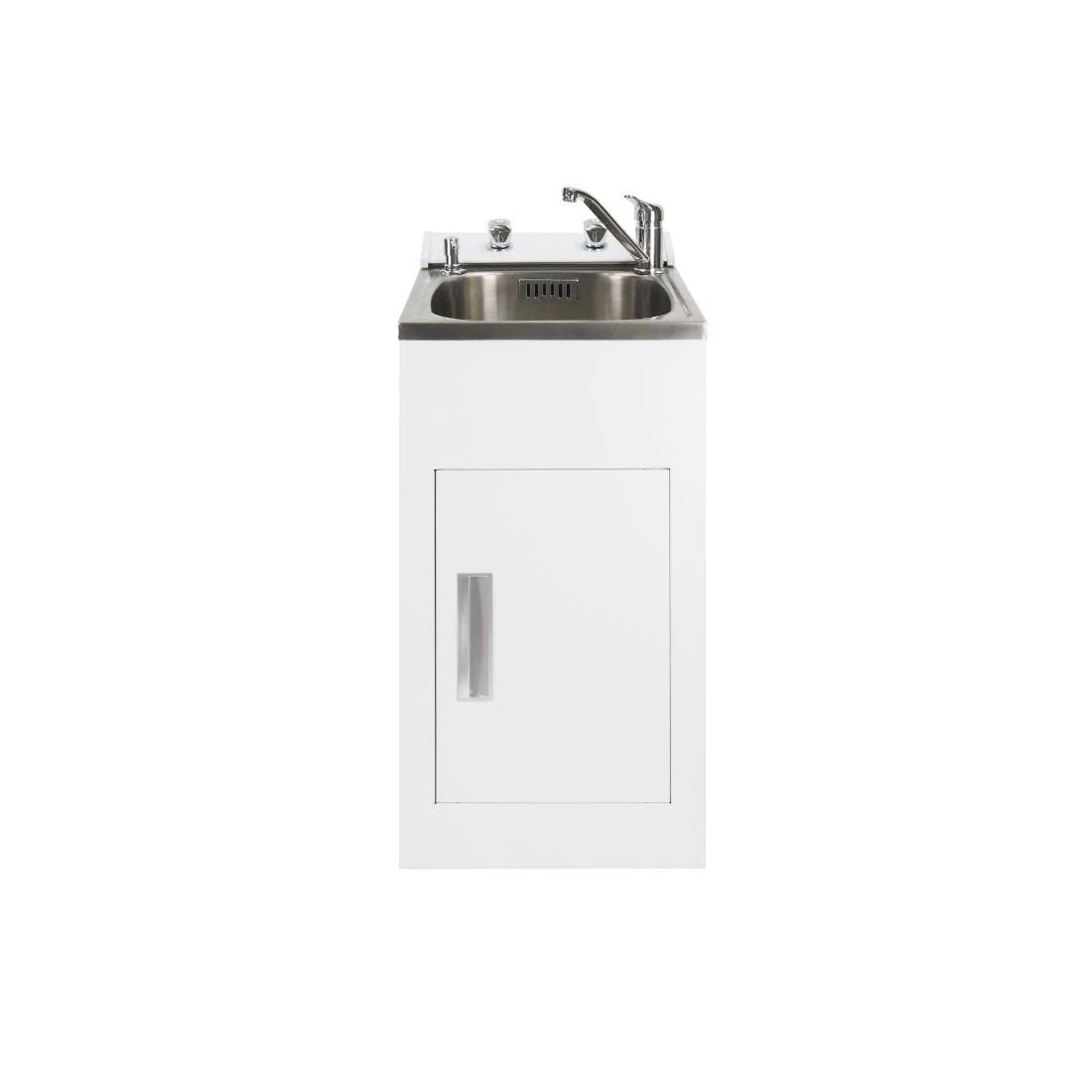
Image: Mico NZ
Allow room for the connections
Mico lists a slim Aquatica tub with washing-machine taps on the console and a corner-mounted mixer. Ask your plumber and joiner where the hoses and waste would sit, how you’ll reach them later and how much cupboard space you’ll have left.
View the 460 mm laundry tub at Mico
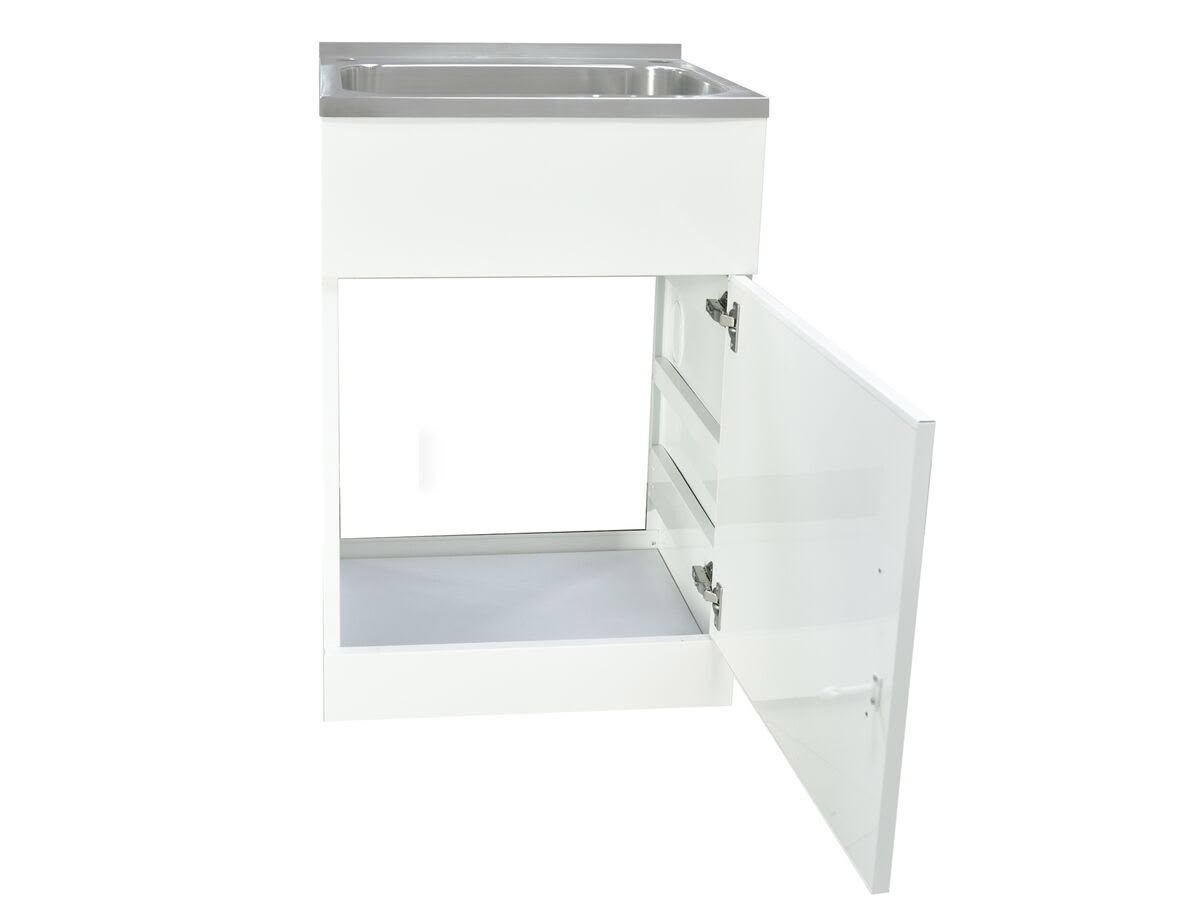
Image: Reece NZ
Check the door swing and service access
Reece lists the Posh Domaine 45 L trough and cabinet (2409005) with a reversible door and a side bypass connection option. Check how the door would open beside the washer. Ask your plumber which connection layout suits the room and leaves access for servicing.
View the Posh Domaine trough at Reece