
The house is quiet, but you can still hear the toilet refilling. Or you find the same damp patch in the cupboard under the sink twice in a week. Small changes like these are worth noticing. A few notes can help a plumber find out what is happening before you replace a fitting or cover up a mark.
Start with what you can see, hear or read from a safe place. You can take useful observations without taking anything apart.
Look for patterns
Common clues include a tap that drips when turned off, a toilet that keeps topping up, dampness around a fixture or a change in how quickly water drains away. A cupboard that smells damp or flooring that starts to swell is also worth mentioning. Take a photo if you can do so safely and note where and when the change happens.
Try to describe the timing. Does dampness appear only after the sink is used? Has the change affected one tap or several? Have visitors, garden watering or other changes increased normal water use? These details help narrow the questions. A mark or slow drain on its own does not identify the cause.
Use a bill or meter reading as a clue
If your property is metered, look at your recent readings or bills and compare them with a similar period. An unexplained increase may be worth investigating, but seasonal use and changes in the household can also affect it.
Where your own meter is safely accessible, follow the local water supplier’s instructions for checking it during a period when the property should be using no water. Automatic systems can run in the background, so keep those in mind. A change in the reading is a clue to discuss with your provider or plumber. For a shared or inaccessible meter, ask the provider for advice. Watercare provides an example of a household leak check.
Know when to ask for help
Arrange a plumber promptly for a recurring damp patch, a toilet that keeps running, a leak beneath a fitting or a drain that regularly backs up. A sudden escape of water, water near electrical equipment or suspected sewage overflow needs urgent attention. Keep clear of any affected electrical area and contact the appropriate professional urgently.
Share what you’ve observed, when it started and whether any other fittings are affected. If you rent, report the issue to your landlord or property manager promptly. For regulated work, check the person’s authorisation through the Plumbers, Gasfitters and Drainlayers Board.
Save water by matching the fitting to the job
Start with unexplained water use or a fitting that keeps running. When choosing replacement tapware, shower fittings or toilets, check the New Zealand water-efficiency label where it applies. Compare products that do the same job and look at both the star rating and the stated water use. The Commerce Commission explains the label and which products it covers.
Tell the plumber what you want the fitting to do. A shower should still feel usable for the people in the house. Ask whether the exact model suits the existing pressure and hot-water system. Real use also depends on habits, including how long you shower and how often you run the tap.
Make a simple note before you call
Write down the location, the first time you noticed the issue, when it happens and anything else that changed. Include photos and any relevant readings or bills if you have them. If you’re choosing a replacement fitting, add your priorities for comfort and water use.
Bring those notes to your local Mastercraft Plumbing team. They can help assess the cause and discuss a replacement or efficiency improvement if it suits your home.
- Where Name the room and fitting. Note any other fittings affected.
- When Record when it started and when it happens.
- What changed Note changes in sound, dampness, flow or water use.
See some of the great companies we work with
At Mastercraft, we work with a nationwide network of suppliers. These Mico and Reece shower fittings give you two examples to compare if you’re considering a replacement. If you’ve noticed unexplained water use or a recurring leak, ask your plumber to assess the cause first.
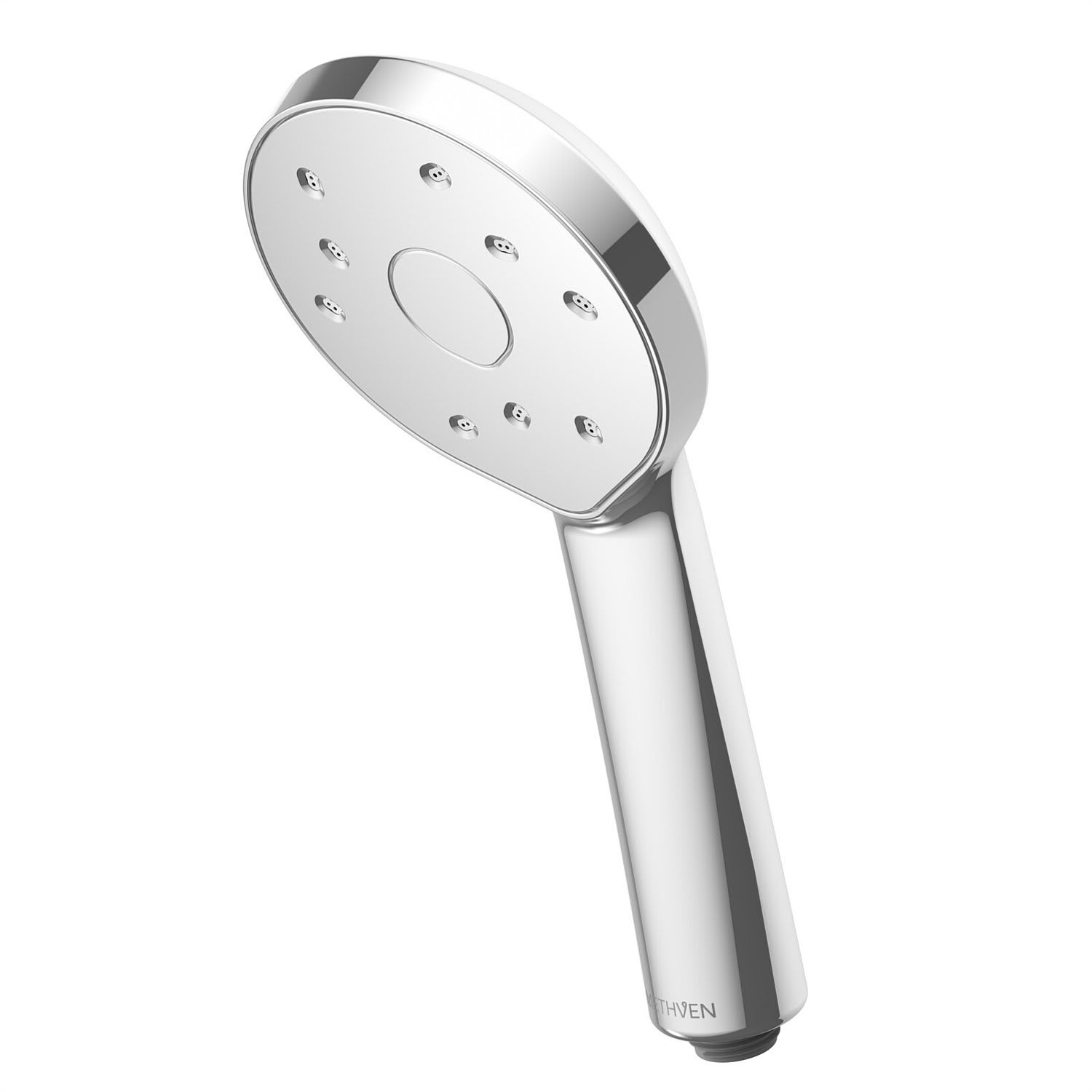
Image: Plumbing World NZ
Check the exact fitting and label
Mico lists Methven’s Kiri low-flow Satinjet handset (KRLFHSCP). Ask your plumber whether it suits your home’s water pressure and existing shower setup. Check the water-efficiency label for the exact model and think about what would feel comfortable in daily use.
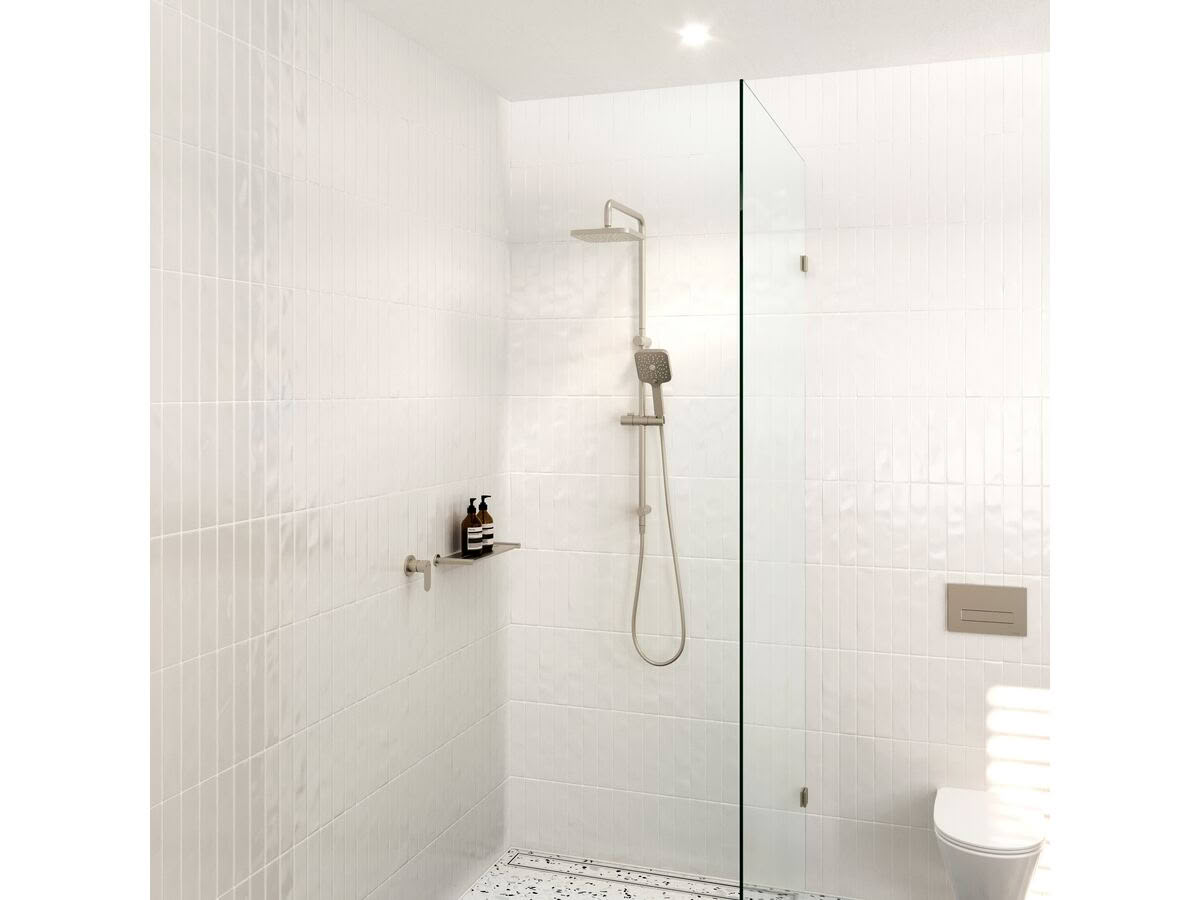
Image: Reece NZ
Compare the two shower options
Reece lists the brushed-nickel Mizu Soothe twin-rail shower (4201036) with a five-star water-efficiency rating. Reece gives a rated flow of 6 L/min for each outlet individually. Use the label to compare equivalent fittings and ask your plumber whether the model suits your home’s water pressure.